Tanzania is one of Africa’s most remarkable wildlife safari destinations, attracting travellers from around the world with its incredible animal diversity, breathtaking landscapes and unforgettable wilderness experiences. From the endless plains of Serengeti National Park to the wildlife-rich Ngorongoro Crater, the country offers exceptional opportunities to explore nature in its most spectacular form.
A wildlife safari in Tanzania allows visitors to encounter some of Africa’s most iconic animals, including lions, elephants, leopards, buffaloes and rhinoceroses. Beyond the famous Big Five, travellers can also discover giraffes, zebras, cheetahs, wildebeest, hippos and hundreds of bird species across different national parks and conservation areas.
Whether you are planning your first African safari, a family holiday, a honeymoon or an exciting wildlife photography adventure, Tanzania offers experiences to suit different interests, travel styles and budgets.
1. Why Choose Tanzania for a Wildlife Safari?
Tanzania stands out as a leading safari destination because of its diverse ecosystems, abundant wildlife and well-known protected areas. Visitors can explore open savannahs, woodland forests, wetlands, volcanic landscapes and river systems within a single safari itinerary.
Here are some reasons why Tanzania deserves a place on your African travel list:
- Exceptional Wildlife Diversity: Encounter the Big Five and many other African wildlife species in their natural habitats.
- The Great Wildebeest Migration: Witness one of nature’s most remarkable wildlife spectacles across the Serengeti ecosystem.
- Beautiful National Parks: Explore world-famous destinations such as Serengeti, Tarangire, Lake Manyara and Ngorongoro.
- Year-Round Safari Opportunities: Enjoy wildlife experiences in different seasons, each offering unique scenery and animal encounters.
- Professional Local Guides: Learn about animal behaviour, ecosystems and conservation from knowledgeable Tanzanian safari guides.
- Different Safari Experiences: Choose from private game drives, camping safaris, luxury lodge safaris and photographic adventures.
2. Best Places for Wildlife Safaris in Tanzania
Tanzania has numerous protected areas, each offering distinctive wildlife experiences. The Northern Safari Circuit remains particularly popular among international visitors because several outstanding destinations can be combined into one journey.
Serengeti National Park
Serengeti National Park is one of Africa’s most celebrated wildlife destinations. Its vast grasslands, scattered acacia trees and diverse wildlife populations create an extraordinary setting for traditional African safaris.
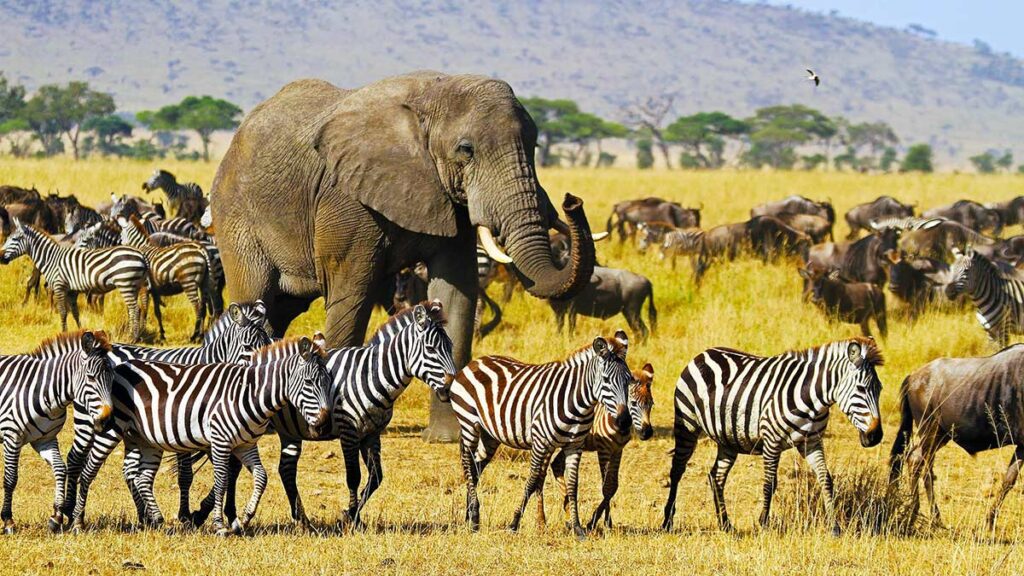
The park is particularly famous for the Great Wildebeest Migration, during which enormous herds of wildebeest and zebras move through the Serengeti ecosystem in search of fresh grazing.
Visitors can encounter lions, leopards, cheetahs, elephants, giraffes, hyenas and numerous other species. Depending on the season and wildlife movements, travellers may also witness dramatic predator-prey interactions and river crossings.
Top experiences:
- Guided wildlife game drives.
- Great Wildebeest Migration viewing.
- Big Five wildlife encounters.
- Hot air balloon safaris.
- Wildlife photography.
Ngorongoro Conservation Area
The Ngorongoro Conservation Area is home to the spectacular Ngorongoro Crater, one of Tanzania’s most remarkable wildlife destinations.
The crater’s enclosed landscape supports a diverse range of wildlife, creating excellent opportunities for game viewing throughout the year. Visitors can encounter lions, elephants, buffaloes, zebras, wildebeest, hippos and, with some luck, the endangered black rhinoceros.
Its dramatic scenery, green grasslands and crater walls make it a highlight of many Northern Circuit safari itineraries.
Top experiences:
- Ngorongoro Crater game drives.
- Big Five wildlife viewing.
- Scenic photography.
- Cultural experiences in surrounding communities.
- Nature and conservation experiences.
Tarangire National Park
Tarangire National Park is famous for its large elephant populations, impressive baobab trees and beautiful savannah landscapes.
During the dry season, wildlife gathers around the Tarangire River, creating rewarding opportunities to observe elephants, zebras, wildebeest, giraffes, buffaloes and various predators.
The park offers a quieter atmosphere than some of Tanzania’s more famous safari destinations, making it an excellent addition to a Northern Circuit adventure.
Top experiences:
- Elephant viewing.
- Guided game drives.
- Birdwatching.
- Wildlife photography.
- Scenic baobab landscapes.
Lake Manyara National Park
Lake Manyara National Park offers a diverse landscape featuring groundwater forests, open grasslands, acacia woodland and the beautiful Lake Manyara.
The park is known for its rich birdlife, elephants, giraffes, hippos and other wildlife. Visitors may also encounter its famous tree-climbing lions.
Its compact size and varied habitats make it a rewarding destination for travellers exploring Tanzania’s Northern Safari Circuit.
Top experiences:
- Wildlife game drives.
- Birdwatching.
- Tree-climbing lion sightings.
- Scenic photography.
- Exploring forest and lakeside habitats.
Nyerere National Park
For travellers seeking a different safari experience, Nyerere National Park offers an extraordinary wilderness adventure in southern Tanzania.
The park features extensive woodlands, open plains, lakes and the Rufiji River system. Its wildlife includes elephants, lions, buffaloes, hippos, crocodiles and African wild dogs.
Unlike traditional Northern Circuit safaris, visitors can enjoy boat safaris along the Rufiji River, guided walking safaris in authorised areas and classic game drives.
Top experiences:
- Boat safaris.
- Guided walking safaris.
- Wildlife game drives.
- African wild dog viewing opportunities.
- Birdwatching and photography.
3. Wildlife You Can See on a Tanzania Safari
Tanzania supports an impressive variety of wildlife species, making it one of the most exciting destinations for nature enthusiasts.
The African Big Five
The Big Five are among the most sought-after animals on an African safari.
- Lion: Often seen resting in open grasslands or moving through the savannah in family groups called prides.
- African Elephant: The largest land mammal, commonly found in Tarangire and Serengeti.
- Leopard: A secretive big cat that often rests in trees and hunts mainly during quieter hours.
- African Buffalo: Powerful herd animals frequently seen grazing in grasslands and near water sources.
- Black Rhinoceros: An endangered species that visitors may have an opportunity to spot in protected areas such as Ngorongoro.
Other Fascinating Wildlife
Beyond the Big Five, Tanzania offers opportunities to see:
- Cheetahs.
- Giraffes.
- Zebras.
- Wildebeest.
- Spotted hyenas.
- Hippopotamuses.
- Nile crocodiles.
- Warthogs.
- Various antelope species.
- Ostriches and other bird species.
Every game drive brings something different, and wildlife sightings can never be guaranteed.
4. The Great Wildebeest Migration
The Great Wildebeest Migration is one of the most extraordinary natural events in Africa. Every year, large herds of wildebeest and zebras move through the Serengeti ecosystem and neighbouring Maasai Mara in search of fresh grass and water.
This continuous movement creates remarkable wildlife encounters, particularly during the calving season and river crossings.
The migration follows seasonal rainfall and grazing conditions rather than a fixed timetable.
Important migration periods include:
- January to March: Wildebeest calving in the southern Serengeti and Ndutu region.
- April to May: Herds generally begin moving north and west through the Serengeti.
- June to July: Migration activity often shifts towards the Western Corridor and Grumeti region.
- July to October: Herds may move towards the northern Serengeti and Mara River areas.
- November to December: Many herds begin moving south again as rainfall improves grazing conditions.
These periods are approximate because rainfall patterns influence the animals’ movements each year.
Planning your safari around the migration requires choosing the right location and travel dates.
5. Best Time for Wildlife Safaris in Tanzania
Tanzania offers wildlife safaris throughout the year. However, different seasons provide different experiences.
Dry Season: June to October
The dry season is particularly popular for wildlife viewing. As water becomes less available in some areas, animals often gather around permanent rivers and water sources.
Vegetation also becomes thinner in many habitats, making it easier to spot wildlife.
This period is excellent for exploring Tarangire, Serengeti and other popular safari destinations.
Short Rainy Season: November to December
The short rains refresh the landscapes and create beautiful green scenery.
Wildlife viewing remains rewarding, while birdwatchers can enjoy seasonal bird activity. Some areas may also experience fewer visitors than during peak dry-season months.
Calving Season: January to March
This period is especially rewarding for visitors interested in the wildebeest calving season in the southern Serengeti and Ndutu region.
Travellers may witness newborn wildebeest calves and increased predator activity.
Long Rainy Season: March to May
The long rainy season brings lush landscapes and dramatic skies. It can be an excellent period for photography and quieter safari experiences.
However, heavy rainfall may affect road conditions and accommodation availability in some locations.
The best travel period ultimately depends on your preferred wildlife experiences, budget and destinations.
6. Popular Wildlife Safari Experiences in Tanzania
A Tanzania wildlife safari involves more than travelling through national parks in search of animals. Visitors can enjoy several activities that provide different perspectives of the wilderness.
Game Drives
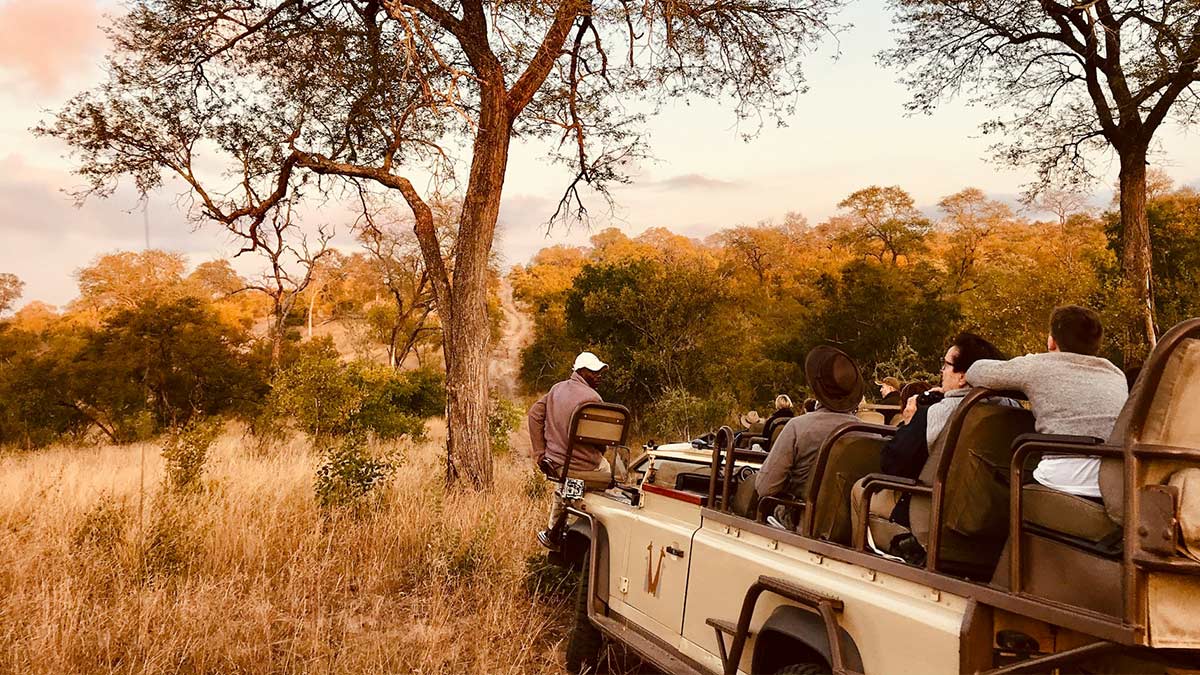
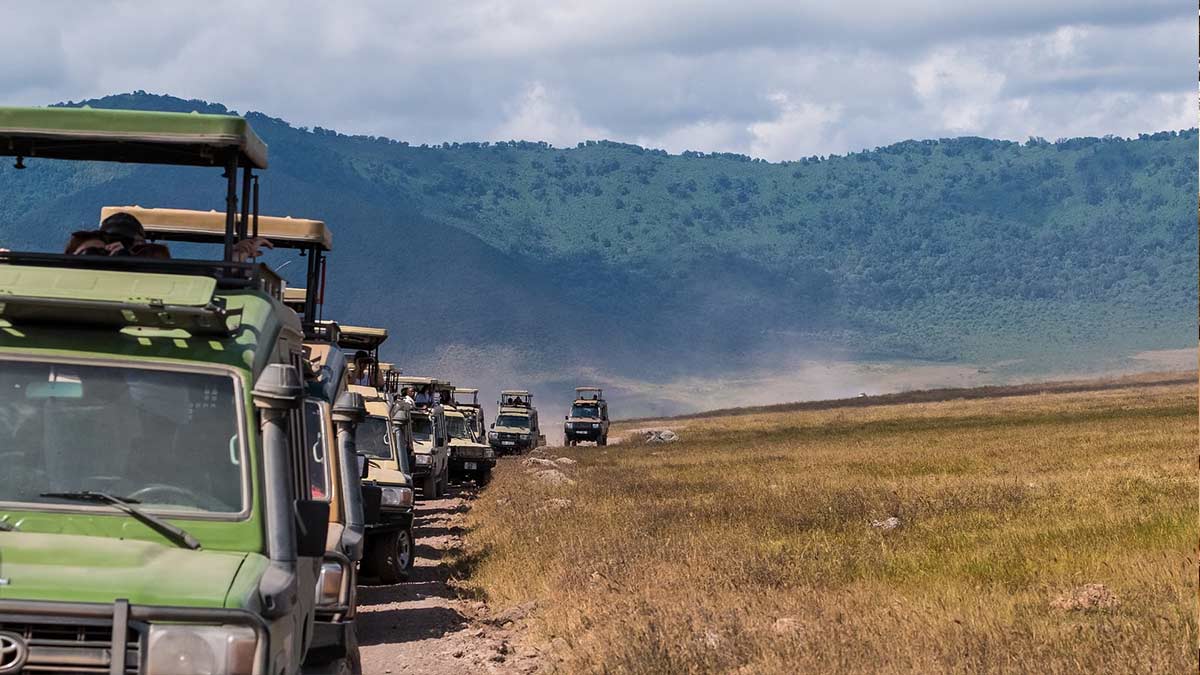
Game drives are the most popular safari activity. Travellers explore national parks in specially equipped 4×4 vehicles accompanied by professional driver-guides.
Hot Air Balloon Safaris
A hot air balloon safari offers a unique opportunity to experience the Serengeti from above. Early morning flights provide beautiful views of the plains and wildlife below.
Walking Safaris
Guided walking safaris allow visitors to discover smaller details of the natural environment, including animal tracks, plants, insects and birdlife. These activities take place only in designated areas with authorised guides.
Boat Safaris
Boat safaris are particularly popular in Nyerere National Park, where visitors can explore the Rufiji River and observe hippos, crocodiles, birds and other wildlife.
Birdwatching
Tanzania is an excellent destination for bird enthusiasts. Its diverse habitats support resident and migratory bird species throughout the year.
7. How Many Days Do You Need for a Tanzania Wildlife Safari?
The ideal safari duration depends on your available time, budget and preferred destinations.
Here are some suggested itineraries:
3-Day Safari
- Day 1: Tarangire National Park.
- Day 2: Ngorongoro Crater.
- Day 3: Lake Manyara National Park.
5-Day Safari
- Day 1: Tarangire National Park.
- Day 2: Transfer to Serengeti National Park.
- Day 3: Full-day Serengeti game drive.
- Day 4: Serengeti to Ngorongoro.
- Day 5: Ngorongoro Crater game drive.
7-Day Safari
- Day 1: Tarangire National Park.
- Day 2: Lake Manyara National Park.
- Day 3: Transfer to Central Serengeti.
- Day 4: Full-day Serengeti game drive.
- Day 5: Explore the Serengeti.
- Day 6: Transfer to Ngorongoro.
- Day 7: Ngorongoro Crater game drive.
These itineraries are examples and can be adjusted according to accommodation preferences, seasonal wildlife movements and travel arrangements.
8. What to Pack for a Tanzania Wildlife Safari
Packing appropriately helps make your safari more comfortable and enjoyable.
Consider bringing the following essentials:
- Lightweight and comfortable clothing.
- Neutral-coloured safari outfits.
- Comfortable walking shoes.
- A warm jacket for early morning game drives.
- A hat and sunglasses.
- Sunscreen and insect repellent.
- Camera and spare batteries.
- Binoculars.
- Personal medication and basic toiletries.
- Travel documents and travel insurance information.
A soft-sided travel bag may also be more convenient when your itinerary includes small domestic aircraft.
9. Responsible Wildlife Tourism and Conservation
Wildlife conservation plays an important role in protecting Tanzania’s natural heritage.
Responsible tourism helps support protected areas, conservation initiatives and communities living around wildlife habitats.
As a safari visitor, you can contribute by following park regulations, respecting wildlife and choosing responsible tourism providers.
During your safari:
- Maintain a safe distance from wild animals.
- Never feed or attempt to touch wildlife.
- Follow your guide’s instructions.
- Avoid excessive noise during game drives.
- Never leave litter in natural environments.
- Respect local communities and their cultural traditions.
- Support tourism businesses that value conservation and responsible practices.
Every responsible travel decision helps protect the natural environments that make Tanzania such a special destination.
10. Plan Your Tanzania Wildlife Safari with Travafrique
A wildlife safari in Tanzania is an opportunity to experience the beauty of Africa, discover remarkable animals and create memories that last a lifetime.
At Travafrique Tours and Travel Tanzania Ltd, we specialise in organising memorable safari experiences across Tanzania’s Northern Circuit and beyond.
Based in Arusha, our local team understands the destinations, wildlife experiences and travel arrangements that make a successful safari. We work with travellers to create journeys that match their interests, available time and budgets.
Whether you dream of witnessing the Great Wildebeest Migration, exploring the Ngorongoro Crater, photographing elephants in Tarangire or enjoying a private Serengeti adventure, we are ready to help you plan your journey.
Our safari experiences can include:
- Private and group wildlife safaris.
- Budget camping and lodge safaris.
- Mid-range and luxury safari packages.
- Family and honeymoon safaris.
- Customised Northern Circuit itineraries.
- Safari and Zanzibar holiday combinations.
Ready to explore Tanzania’s incredible wildlife?
Contact Travafrique Tours and Travel Tanzania Ltd today and let us help you plan an unforgettable African safari.
Discover Tanzania. Experience the Wild. Travel with Travafrique.